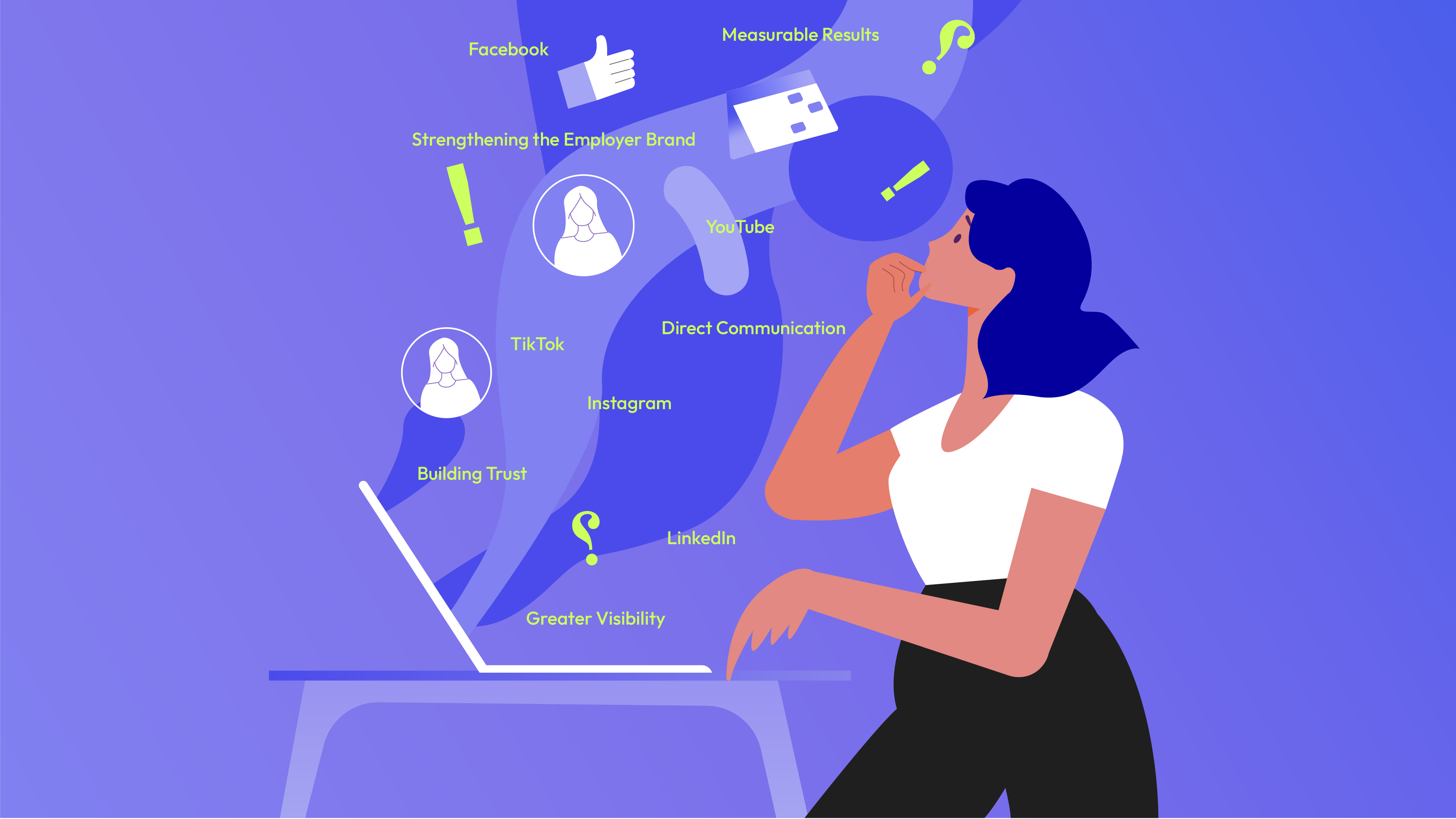
Creatives are constantly faced with the same question
How long does an asset actually have to be in order for it to work? Please maximum 6 seconds for shorts, 9 to 15 for reels, completely different again for TikTok. And YouTube? Preferably as briefly as possible, it says. After all, the attention span of the younger generation is getting shorter and shorter. Right? Hours of podcasts, detailed YouTube videos and complex longform formats are also enjoying tremendous success. A contradiction? Just at first glance. Because attention is not the same as attention. It is context-dependent – and is used in fundamentally different ways on different platforms. It is therefore not at all about “how long”, but much more comprehensively about the “how.” Anyone who plans social ads without taking consumption mode into account optimizes past reality.
Lean-forward, lean-back, hands-free
Ads are often rated using the same standards across channels. CTR, CPC, and conversions are considered universal truths. The problem: These KPIs implicitly assume that a click everywhere is equally easy, equally intentional and equally likely. He isn't. A click can be an impulse – or a deliberate cessation of consumption. Depending on the platform, a user is in one of three consumption modes, which mean fundamentally different starting situations for advertisements:
1. Lean-forward: active, ready to act
Typical environments: Meta, TikTok
Users are in active mode. You scroll, react, and decide quickly. Interactions are part of the usage pattern and do not interrupt consumption.
What this means for ads:
• Clicks have a low psychological hurdle
• Performance KPIs are valid and comparable here
• Ads can activate, prompt, intensify directly
• The creative must work in seconds, not explain
Strategic role: Response and activation platforms; ideal for lead generation, clear offers, retargeting, and conversion goals.
2. Lean-back: focused, interruption-sensitive
Typical environment: YouTube
Here, users sit back and relax. They want to consume content, not make permanent decisions. Every click means a deliberate interruption of the experience.
What this means for ads:
• Low CTR is structural, not a quality defect
• Branding, reminders, and message depth count for more than just a click
• A CTA must be legitimate, not urgent
• Storytelling beats actionism
Strategic role: Consideration and trust platform; perfect for products that require explanation, positioning and brand building.
3. Hands-Free/Ambient: accompanying, difficult to interrupt
Typical formats: podcasts, audio ads, e.g. via Spotify
The smartphone is in the pocket and the user is mentally bound, not physically available. Advertising runs along – it is not actively controlled and barely skipped when the hands are not actively on the device.
What this means for ads:
• No click doesn't mean no effect
• Impact is created through voice, repetition, trust
• Performance measurement via direct conversions falls short
• Brand familiarity and recall are the relevant variables
Strategic role: Brand and relationship medium; ideal for thought leadership, long-term anchors and building trust.
Why identical KPIs lead to wrong conclusions
Anyone who measures all platforms with the same KPIs overlooks the fact that key figures such as click rate or conversion have completely different meanings depending on the mode of consumption.
In lean-forward environments, clicks and interactions are part of natural user behavior. Performance KPIs are useful and meaningful here. If they do not exist, this is usually due to the creative or the logic of the offer.
In lean-back environments, on the other hand, a click means a conscious interruption of consumption. Low click rates are therefore not a sign of lack of relevance, but an expression of focused consumption. Anyone who primarily evaluates these formats via CTR is missing the mark.
With audio formats such as podcasts, the click is often not intended at all. Advertising works here through repetition, voice and trust — not through immediate reactions. Classic performance KPIs fall short here.
The result: KPIs are not wrong, but they depend on the context. They only become meaningful when they match the platform's consumption mode.
Conclusion: It often clicks even without a click
Successful advertising campaigns are not the result of more budgets or finer target groups, but through a realistic understanding of media use. Platforms are not neutral distribution channels – they are usage situations. Anyone who ignores consumption mode optimizes against people's behavior. If you take this into account, you build campaigns that are effective – even if there are no direct clicks.